Nutrient Effects on Pathway Preference
How dietary composition influences metabolic pathway activation
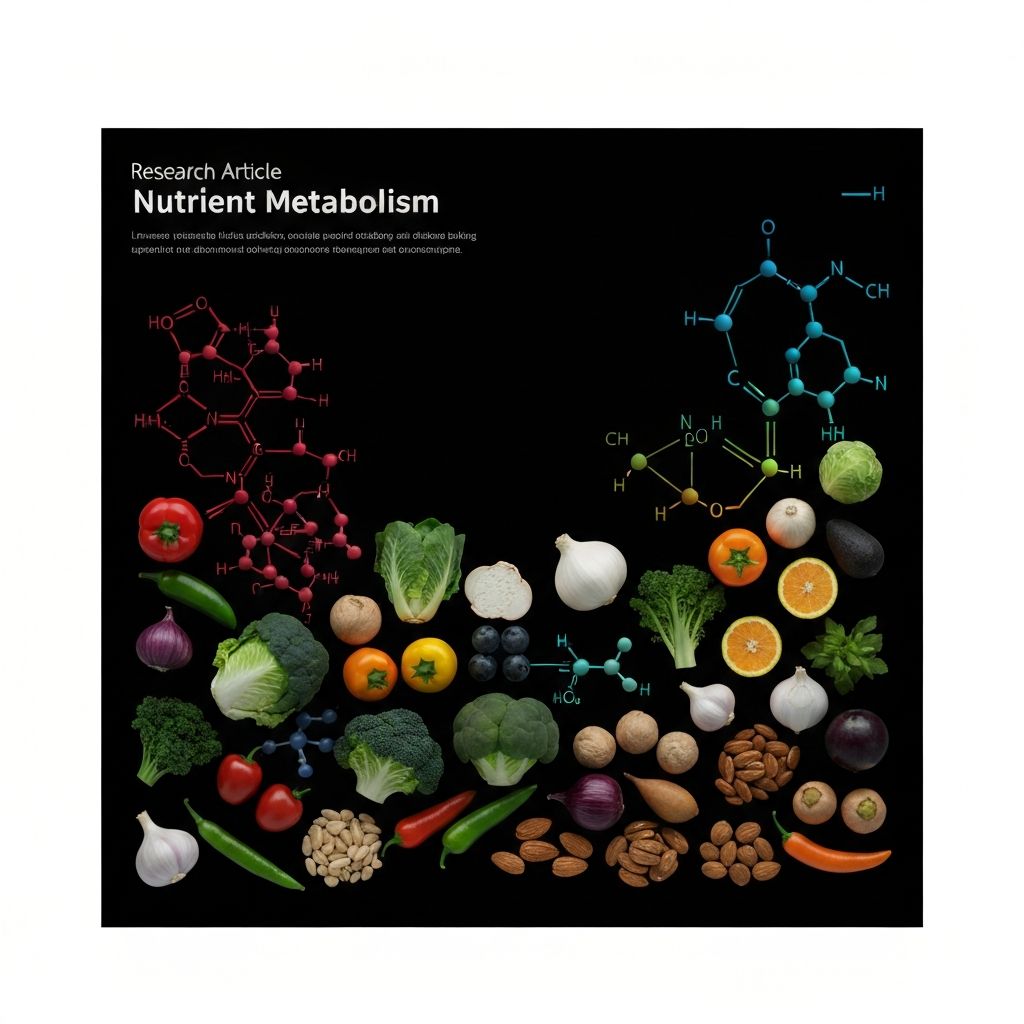
Metabolic Flexibility and Nutrient Utilisation
The human metabolic system demonstrates remarkable metabolic flexibility - the capacity to shift between different fuel sources and pathways depending on nutrient availability, energy state, and physiological demands. The composition of macronutrients consumed profoundly influences which metabolic pathways are activated and their relative flux rates.
Carbohydrate-Dominant Nutrition
When dietary intake is high in carbohydrates, blood glucose and insulin levels rise. The elevated insulin:glucagon ratio promotes anabolic pathways and glucose utilisation. Carbohydrate-rich meals increase flux through glycolysis, promoting pyruvate production and subsequent entry into the citric acid cycle for oxidation. Excess carbohydrate is converted to fatty acids through de novo lipogenesis, with malonyl-CoA levels elevated, preventing beta-oxidation. Glycogen synthesis also increases to replenish hepatic and muscle glycogen stores.
The respiratory quotient (RQ) - the ratio of CO2 produced to O2 consumed - approaches 1.0 during carbohydrate oxidation, reflecting that carbohydrates require relatively less oxygen for complete oxidation compared to other substrates.
Fat-Dominant Nutrition
High-fat, low-carbohydrate dietary intake produces lower insulin:glucagon ratios, promoting catabolic pathways and fat oxidation. Dietary triglycerides are hydrolysed and absorbed as fatty acids. Released fatty acids are transported to the liver and other tissues for oxidation via beta-oxidation. Malonyl-CoA levels remain low due to reduced carbohydrate stimulation of acetyl-CoA carboxylase, allowing CPT-I to remain active and promote beta-oxidation. Ketone body production increases substantially, particularly after glycogen depletion.
The respiratory quotient during fat oxidation approaches 0.7, reflecting the relatively high oxygen requirement for fat oxidation.
Protein-Rich Nutrition
Dietary protein stimulates both insulin and glucagon secretion, creating a more balanced metabolic state than high-carbohydrate or high-fat meals. Amino acids undergo transamination and deamination, producing carbon skeletons that enter various metabolic pathways. Glucogenic amino acids feed into gluconeogenesis, whilst ketogenic amino acids produce acetyl-CoA for oxidation or ketone body production. Protein synthesis is upregulated through mTOR signaling. Amino acid oxidation is the predominant fate of dietary protein amino acids in the fed state.
Mixed Macronutrient Diets
Most meals contain combinations of carbohydrates, fats, and proteins. The metabolic response reflects the proportional contribution of each macronutrient. A typical mixed meal produces moderate elevations in insulin, promoting both glucose utilisation and some lipogenic pathways, whilst maintaining modest amino acid oxidation and gluconeogenesis. The precise metabolic response depends on the specific macronutrient ratio and individual metabolic characteristics.
Glycemic Index and Metabolic Response
The rate of glucose appearance in the bloodstream after carbohydrate consumption - influenced by the glycemic index and glycemic load of foods - affects the metabolic response. Rapidly absorbed carbohydrates produce rapid, pronounced insulin spikes, promoting acute glycolysis and lipogenesis. More slowly absorbed carbohydrates produce gradual, modest insulin elevations, allowing sustained glucose oxidation without pronounced lipogenic activation.
Satiety Effects and Pathway Activation
Different macronutrients produce different satiety signals through distinct mechanisms. Protein intake stimulates greater thermogenesis (heat production during digestion) and activates satiety signals through cholecystokinin and peptide YY. Fat activates satiety signals through delayed gastric emptying. These differential satiety effects influence subsequent nutrient intake and metabolic trajectory.
Exercise and Metabolic Pathway Selection
Physical activity profoundly influences metabolic pathway preference independent of dietary composition. During moderate-intensity aerobic exercise, fatty acid oxidation increases substantially, even if carbohydrate is available. High-intensity exercise preferentially activates glycolytic pathways. Post-exercise recovery favours anabolic pathways and protein synthesis through mTOR activation.
Metabolic Adaptation to Nutrient Composition
Chronic dietary patterns produce adaptations in enzyme expression and metabolic capacity. Long-term high-fat, low-carbohydrate diet consumption increases mitochondrial beta-oxidation capacity and ketogenic enzyme expression. Conversely, high-carbohydrate diet consumption increases glycolytic enzyme expression. These adaptations represent metabolic programming and allow more efficient utilisation of habitual nutrient sources.
Population-Level Variations in Metabolic Pathway Response
Epidemiological research examining metabolic pathway response in adult British populations reveals considerable variation in how individuals respond to identical dietary compositions. Some individuals show greater glycolytic enzyme expression and preferentially oxidise carbohydrates. Others demonstrate higher beta-oxidation capacity and fat oxidation rates. These variations reflect genetic factors, physical activity history, body composition, and prior dietary patterns.
Genetic Influences on Pathway Preference
Genetic variations in metabolic enzymes influence individual differences in nutrient utilisation. Polymorphisms in genes encoding key regulatory enzymes (such as PPARA, which regulates fatty acid oxidation genes, or hexokinase) influence individual metabolic flexibility and response to dietary composition.
Age-Related Changes in Metabolic Response
Metabolic response to nutrients changes across the lifespan. Young adults typically demonstrate greater metabolic flexibility and efficiency. Aging is associated with reduced mitochondrial function, decreased physical activity, and altered hormone sensitivity, all of which influence metabolic pathway activation in response to nutrient intake.
Sex Differences in Nutrient-Induced Metabolic Changes
Research demonstrates sex differences in metabolic response to nutrient composition, partly mediated by hormonal differences. Women generally demonstrate greater metabolic flexibility and fat oxidation capacity during the follicular phase of the menstrual cycle when estrogen is elevated. Menopause-related hormone changes influence metabolic pathway response to nutrients.
Metabolic Health and Pathway Response
Metabolic health status influences the metabolic response to nutrients. Individuals with metabolic syndrome or type 2 diabetes often demonstrate impaired ability to shift between metabolic pathways in response to nutrient changes, contributing to persistent dysregulation of glucose homeostasis and lipid metabolism.
Educational Information
This article provides general information about how nutrients influence metabolic pathway activation. It is not medical advice and should not be used for dietary decision-making or treatment of metabolic conditions. For specific nutritional guidance or metabolic concerns, consult qualified healthcare professionals.