Exploring Nutritional Pathways

Understanding how nutrients traverse biochemical metabolic routes and influence general body weight physiology

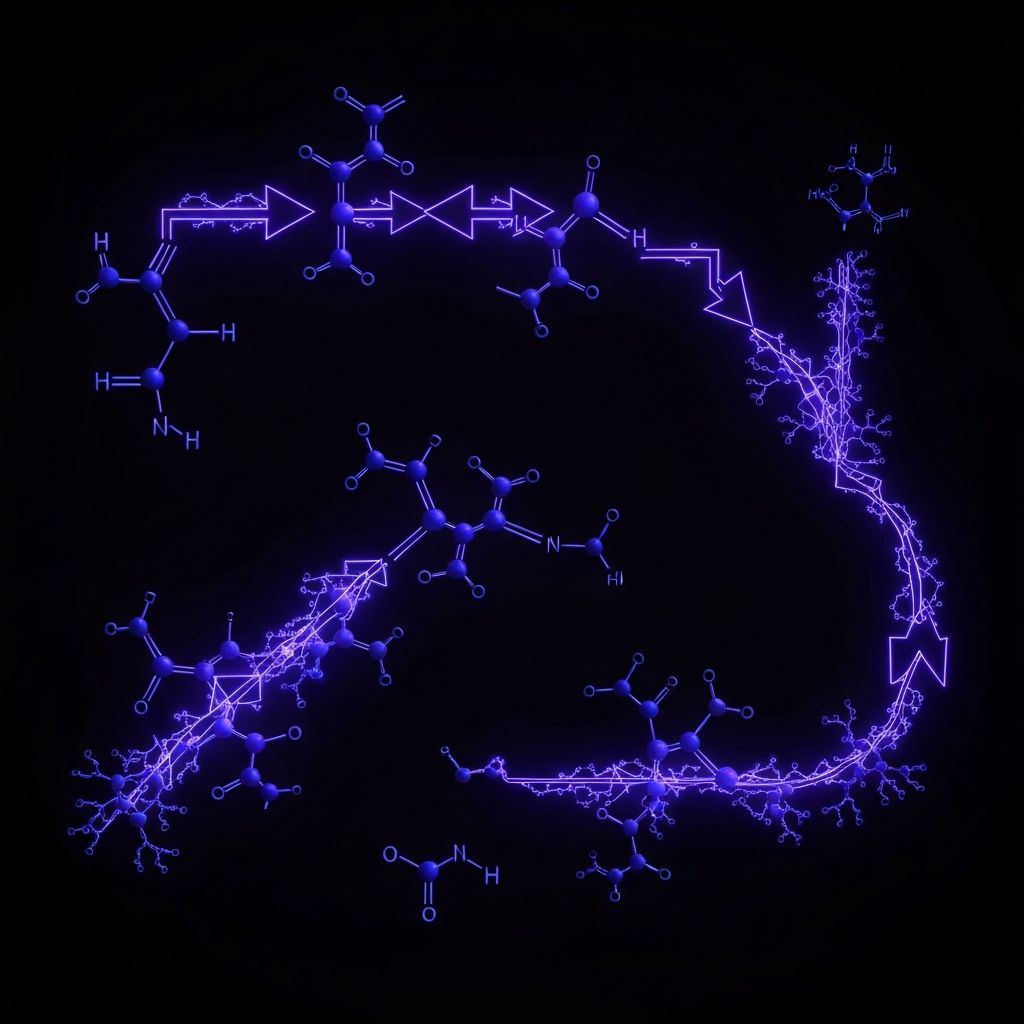
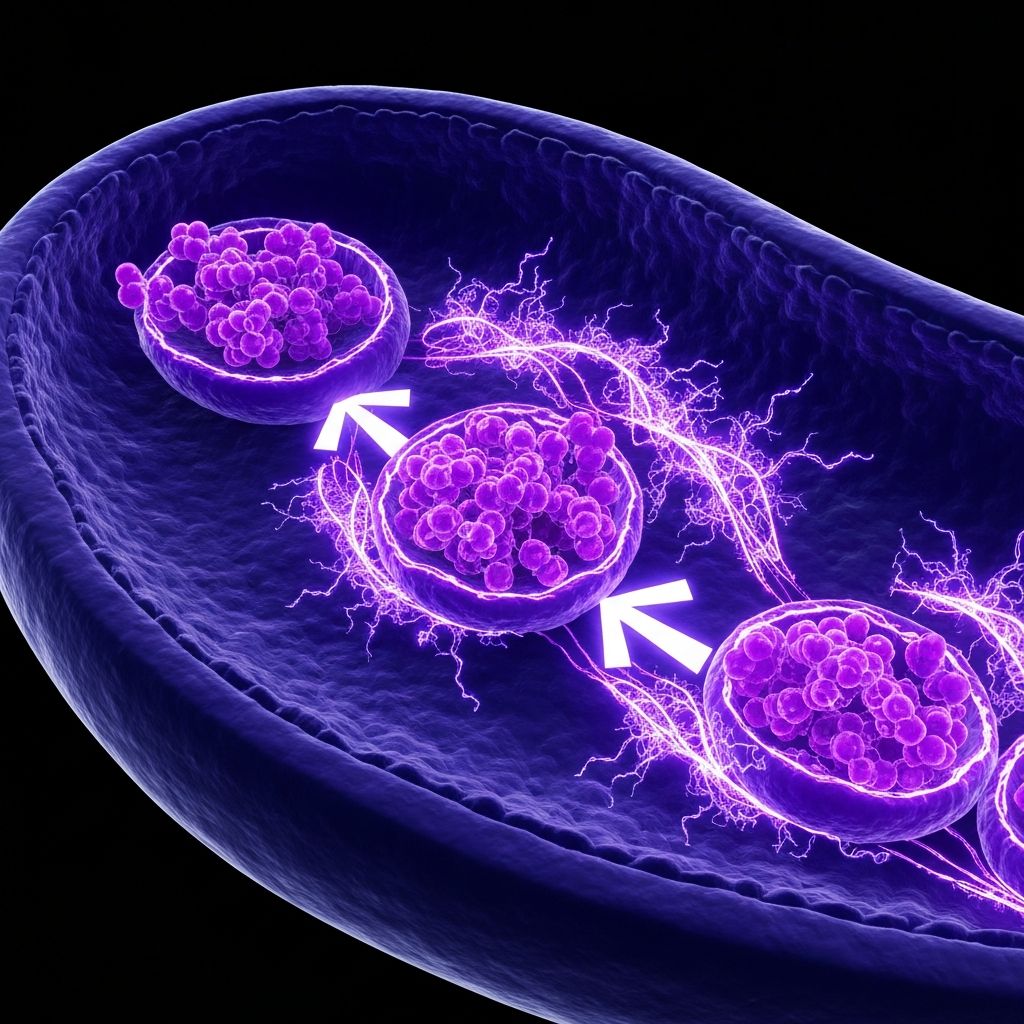
Metabolic pathways visualization with glowing energy networks

Educational content only. No promises of outcomes.

Introduction to Metabolic Pathways

Metabolic pathways are the sequences of enzyme-catalyzed chemical reactions through which organisms extract energy from nutrients and synthesise cellular components. These pathways form the fundamental basis of how your body processes the food you consume.

The human body employs several interconnected metabolic routes to convert carbohydrates, fats, and proteins into usable energy and structural materials. Understanding these biochemical processes provides insight into the complex mechanisms underlying energy balance and physiological function.

Metabolic flux refers to the flow of molecules through these pathways, and this flow is dynamically regulated based on nutritional intake, hormonal signals, and cellular energy demands.

Explore the pathways
Glycolysis: The Primary Energy Route

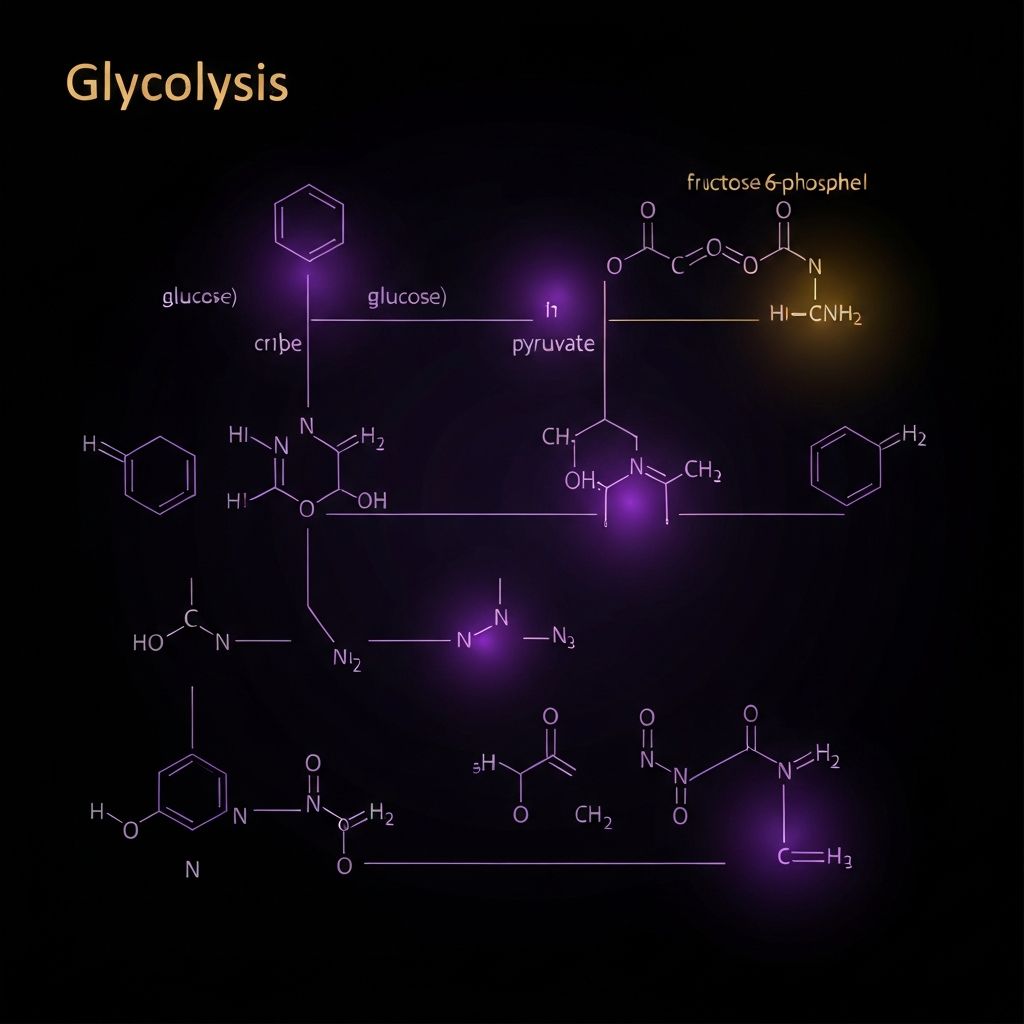
Glycolysis is the metabolic pathway that converts glucose into pyruvate, generating energy in the form of ATP and reducing equivalents (NADH). This process occurs in the cytoplasm of virtually all cells and serves as a cornerstone of carbohydrate metabolism.

The pathway consists of ten enzymatic steps, each with specific regulatory mechanisms. The rate of glycolysis is influenced by nutrient availability, particularly glucose levels, and hormonal signals such as insulin and glucagon.

Read detailed explanation
Glycolysis pathway breakdown showing glucose conversion steps
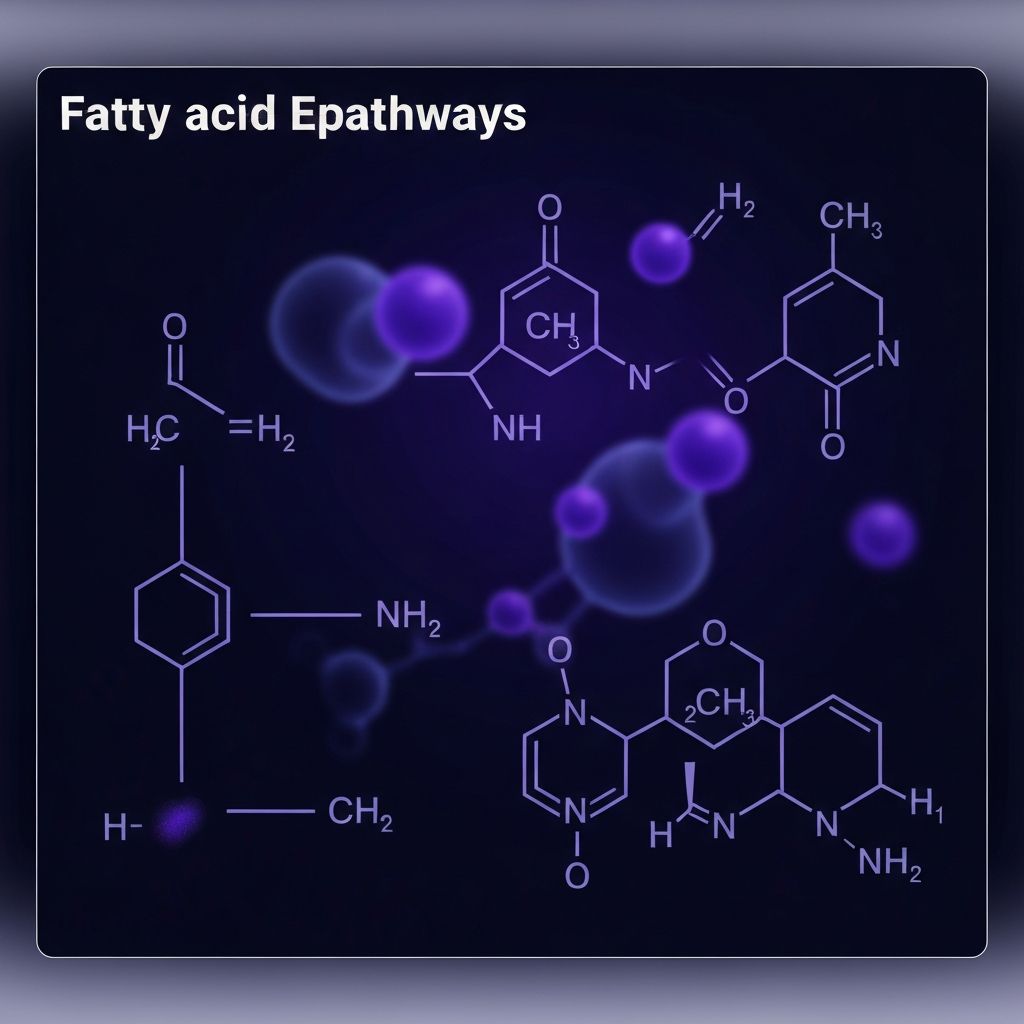
Fatty acid oxidation process visualization

Beta-Oxidation: Fatty Acid Energy Processing

Beta-oxidation is the metabolic process by which fatty acids are broken down in the mitochondria to generate acetyl-CoA, which subsequently enters the citric acid cycle for energy production.

This pathway is particularly active during periods of carbohydrate scarcity and is essential for mobilising energy from stored lipids. The efficiency of beta-oxidation depends on factors including fatty acid chain length, mitochondrial capacity, and hormonal regulation.

Learn about lipid metabolism

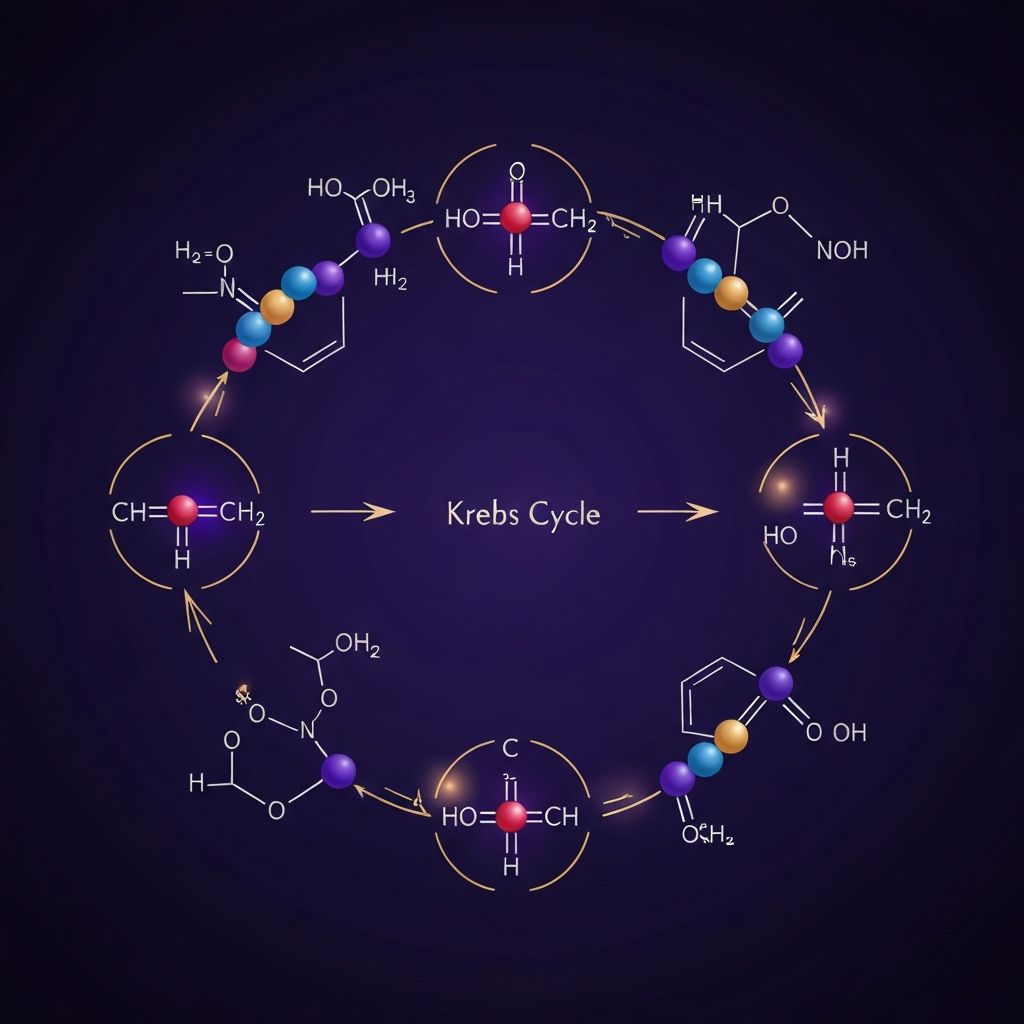
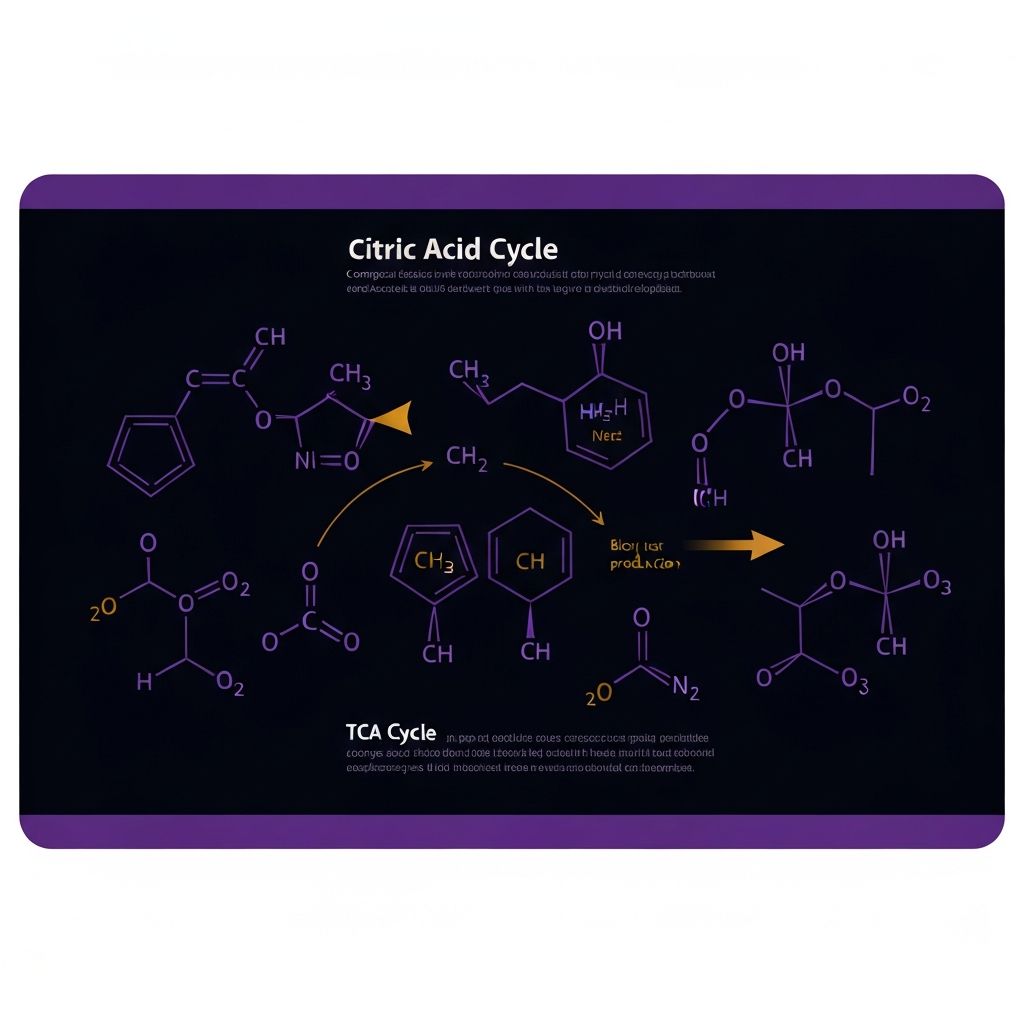
The Citric Acid Cycle: Central Metabolic Hub

Also known as the Krebs cycle or tricarboxylic acid cycle, this series of chemical reactions is the central metabolic hub that oxidises acetyl-CoA derived from carbohydrates, fats, and proteins. The cycle operates in the mitochondrial matrix and is crucial for ATP generation.

Approximately 65-70% of total cellular ATP is generated through this cycle, making it essential for energy provision. The cycle also generates reducing equivalents that power the electron transport chain.

Discover the details
Citric acid cycle metabolic diagram
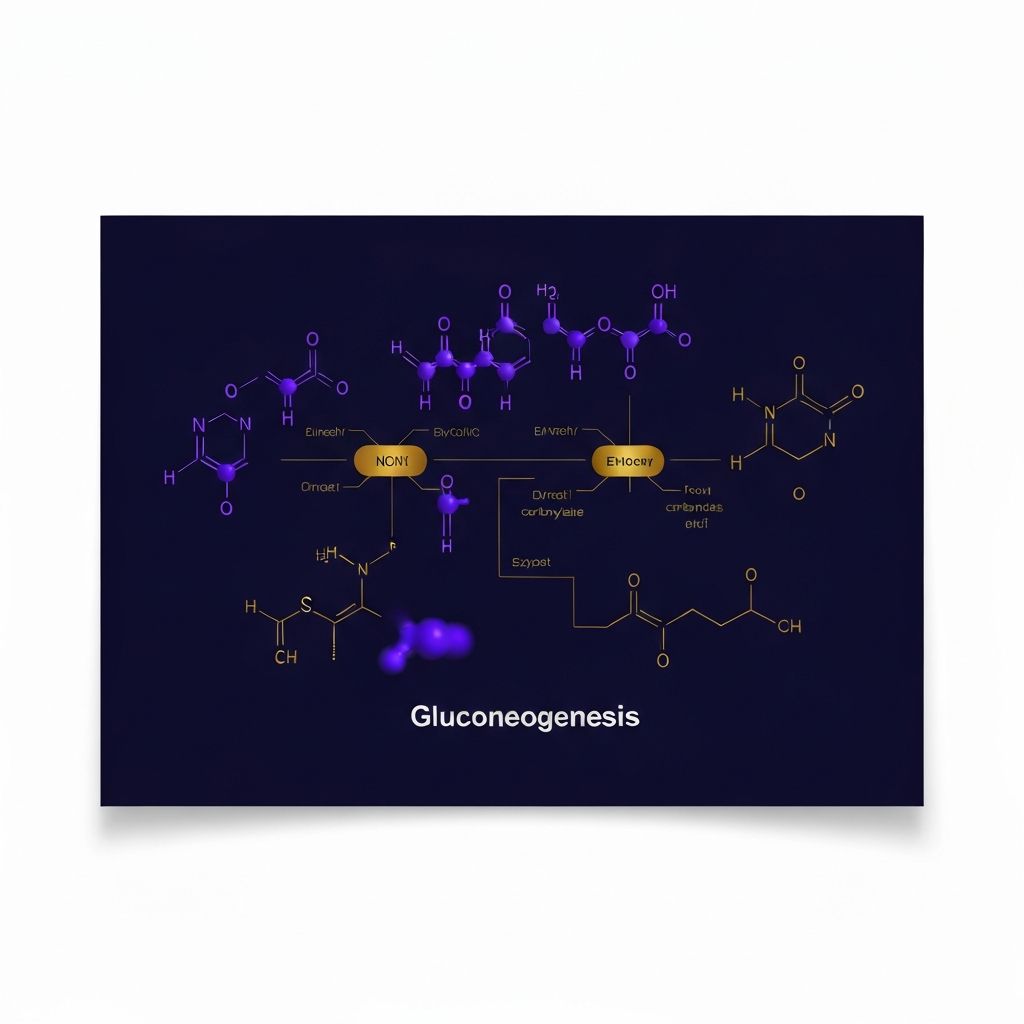
Glucose synthesis process from non-carbohydrate sources

Gluconeogenesis: Glucose Production

Gluconeogenesis is the metabolic pathway that synthesises glucose from non-carbohydrate substrates, including lactate, amino acids, and glycerol. This process is essential for maintaining blood glucose levels during fasting periods.

Unlike glycolysis, gluconeogenesis is an energy-intensive process requiring the investment of ATP and GTP. The pathway operates primarily in the liver and kidneys and is upregulated during fasting states via hormonal signals, particularly glucagon.

Explore glucose synthesis

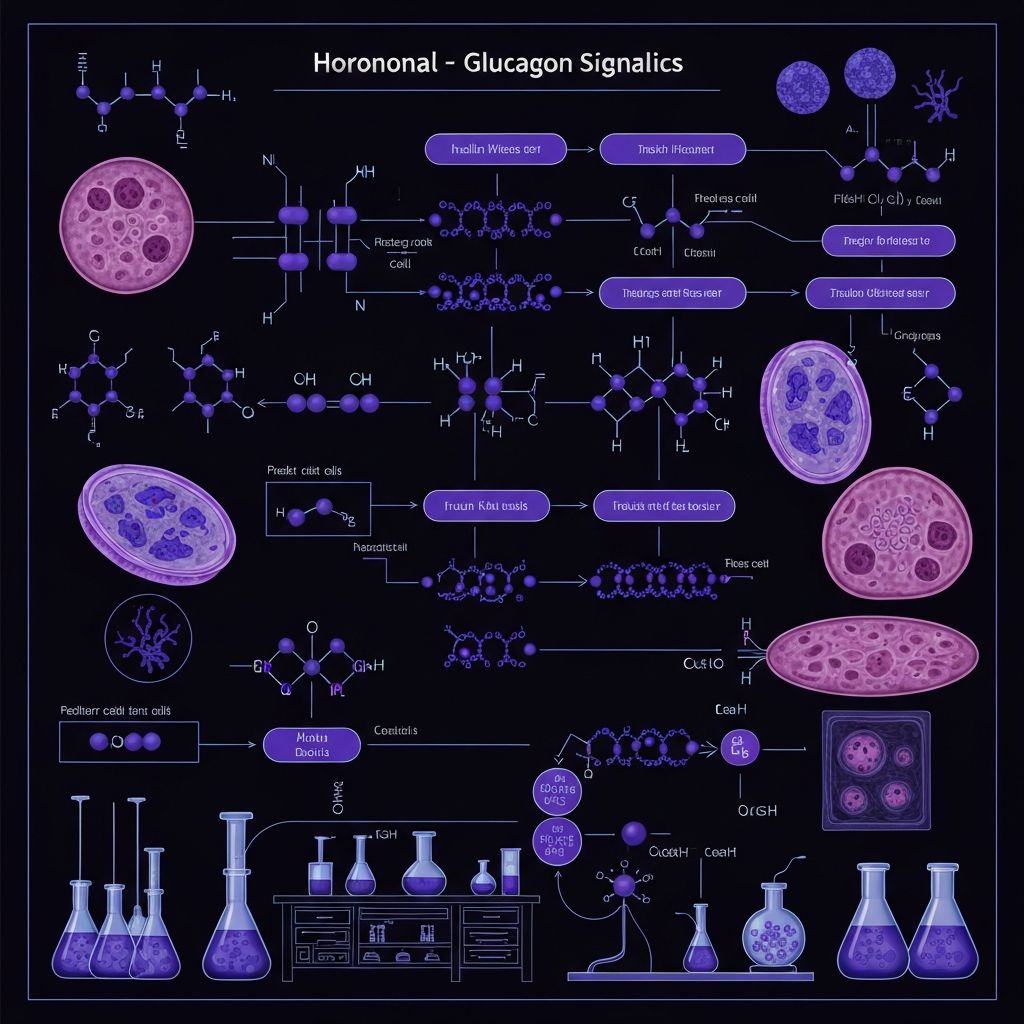
Hormonal Regulation of Metabolic Pathways

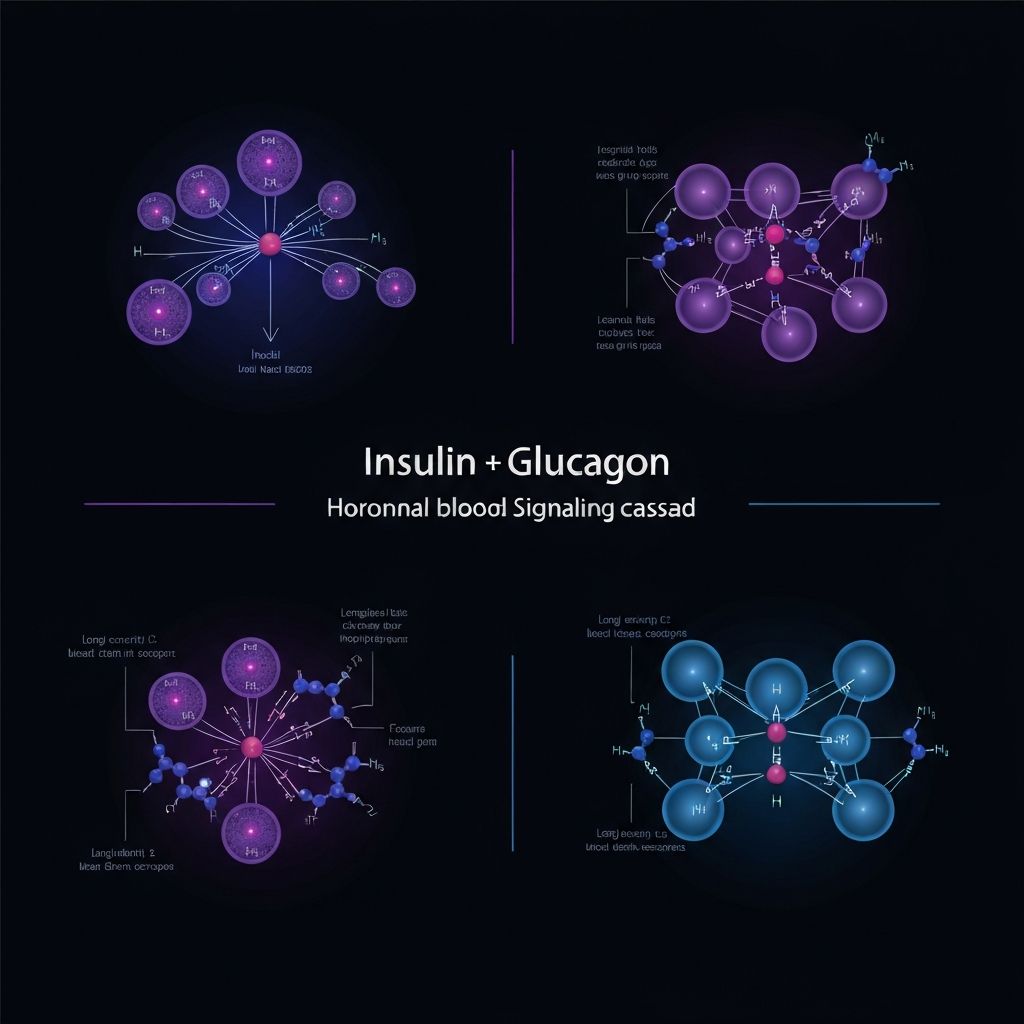
Insulin and glucagon are key hormones that orchestrate the direction of metabolic flux. Insulin, released in response to elevated blood glucose, promotes anabolic pathways including glycolysis and fatty acid synthesis whilst suppressing catabolic processes like gluconeogenesis and beta-oxidation.

Conversely, glucagon, released during fasting or low energy states, shifts metabolism toward catabolic pathways that mobilise energy stores. Additionally, other hormones including cortisol, epinephrine, and thyroid hormones modulate metabolic rate and pathway regulation.

Learn about hormonal control
Hormonal pathways insulin and glucagon signaling

Nutrient Impact on Metabolic Flux

The composition of dietary macronutrients—carbohydrates, fats, and proteins—directly influences which metabolic pathways are activated and their relative flux rates. Carbohydrate-rich meals elevate glucose and insulin, promoting glycolytic and lipogenic pathways. High-fat meals, conversely, shift metabolism toward beta-oxidation and ketogenesis.

Protein intake stimulates amino acid oxidation and supports gluconeogenesis, whilst also providing substrate for protein synthesis. The interplay of these macronutrients creates variable metabolic responses amongst individuals, influenced by genetic factors, physical activity, and hormonal sensitivity.

Research demonstrates that metabolic pathway activity varies across populations, including cohorts within the United Kingdom, reflecting both genetic diversity and lifestyle differences.

Featured Pathway Articles

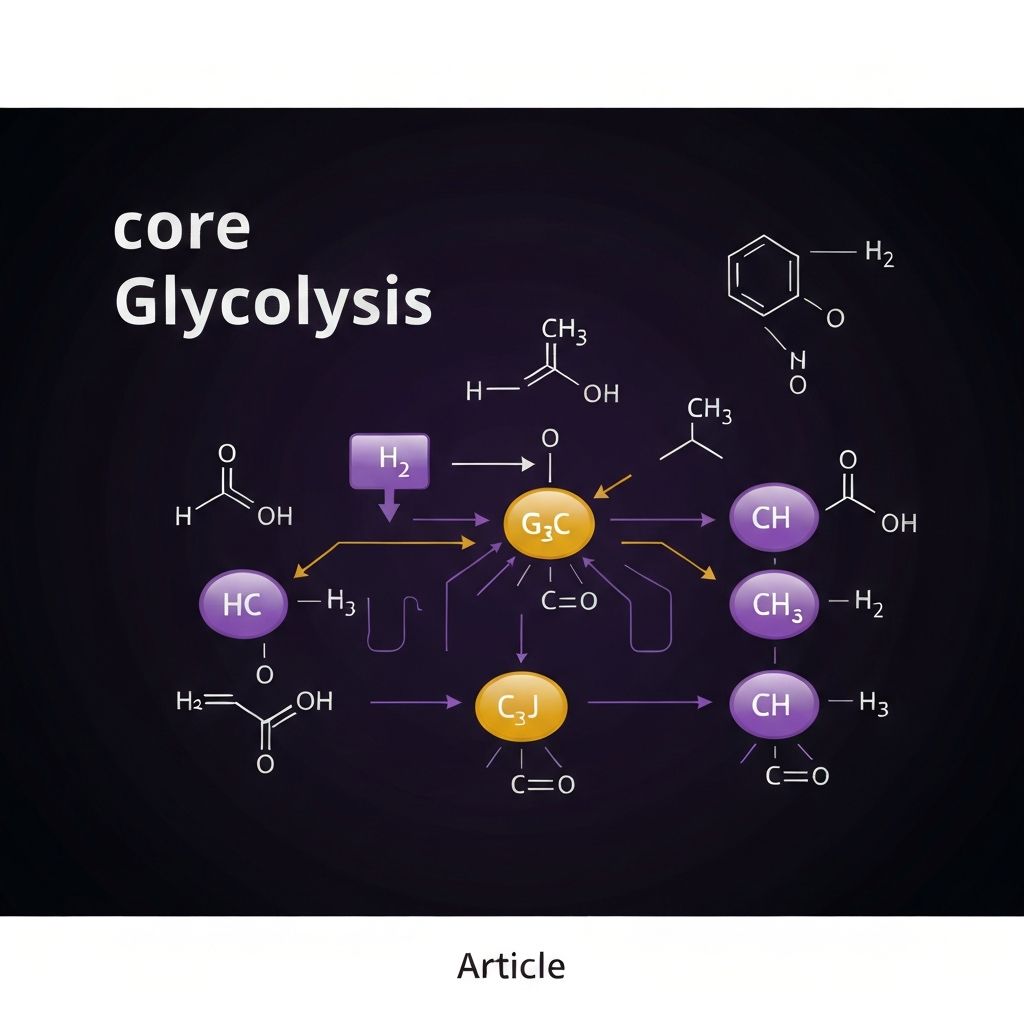
Core glycolysis biochemistry

Core Principles of Glycolysis

A detailed biochemical walkthrough of glucose metabolism and energy production through the glycolytic cascade.

Read article →
Fatty acid energy pathways

Fatty Acid Oxidation Pathways

Comprehensive explanation of lipid metabolism and energy production from fatty acids within the mitochondria.

Read article →
Citric acid cycle details

The Citric Acid Cycle Explained

Central metabolic hub facts covering ATP synthesis, oxidative reactions, and regulatory mechanisms.

Read article →
Gluconeogenesis glucose synthesis

Gluconeogenesis: When and How

Glucose synthesis mechanisms from non-carbohydrate substrates and regulation during fasting states.

Read article →
Insulin and glucagon hormones

Hormones Directing Metabolic Flow

Analysis of insulin and glucagon roles in directing metabolic pathways and energy utilisation.

Read article →
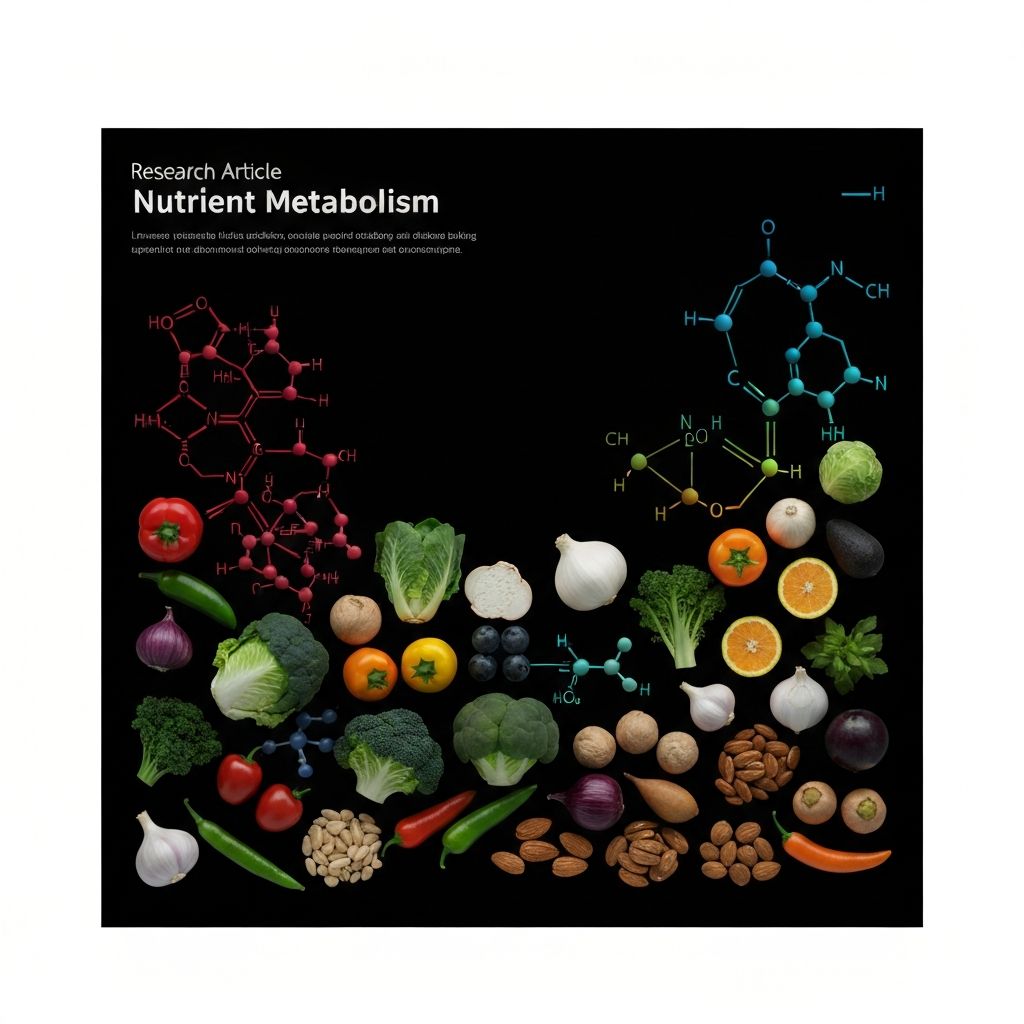
Nutrient metabolism research

Nutrient Effects on Pathway Preference

Observational research summary on how dietary composition influences metabolic pathway activation.

Read article →

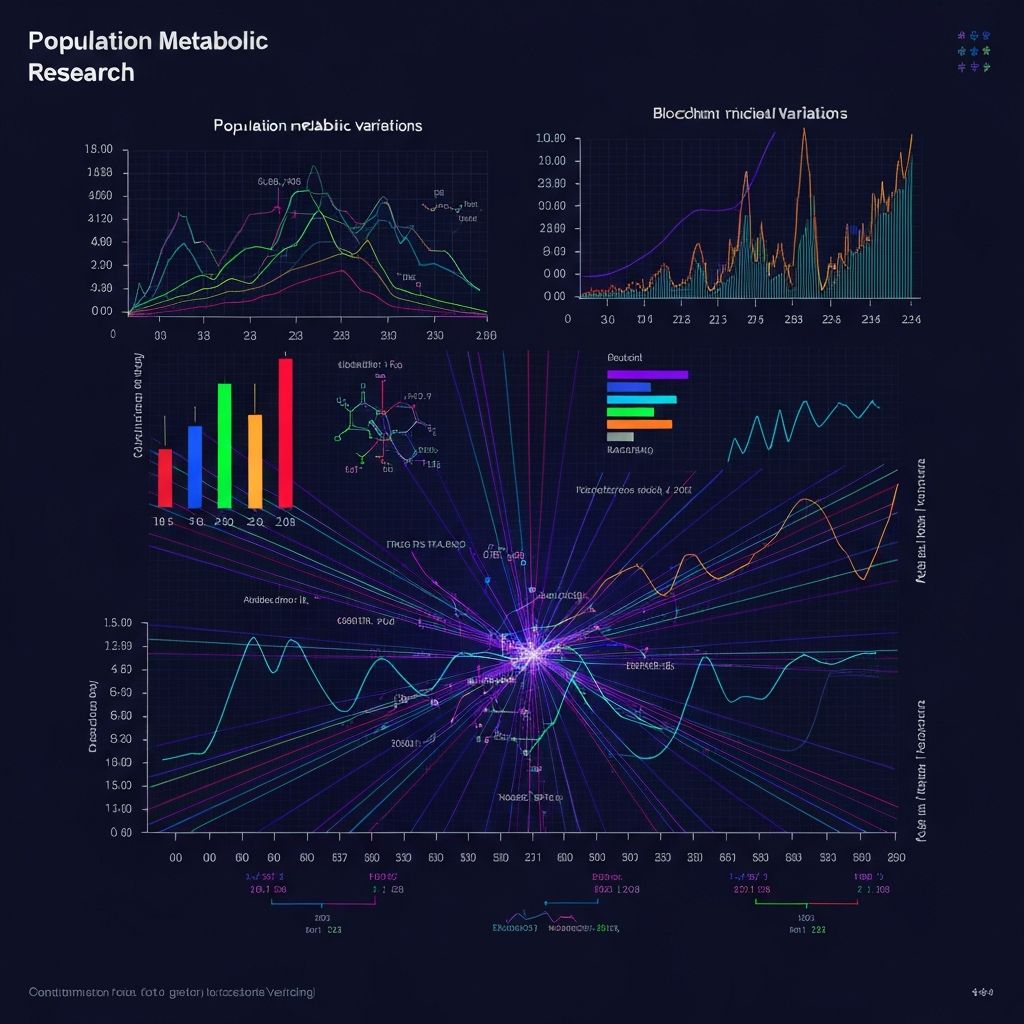
UK Population Metabolic Insights

Research examining biochemical metabolic pathways in adult British populations reveals considerable variation in pathway enzyme expression, mitochondrial capacity, and hormonal sensitivity. These variations reflect genetic diversity, lifestyle factors including physical activity levels, and dietary composition patterns.

Population-level studies have documented variations in glycolytic enzyme expression, beta-oxidation capacity, and citric acid cycle efficiency across different demographic groups. Understanding these patterns provides context for appreciating the complexity of metabolic regulation at both individual and population levels.

Population metabolic research data visualization

Frequently Asked Questions

What is a metabolic pathway?

A metabolic pathway is a series of enzyme-catalysed chemical reactions that organisms use to extract energy from nutrients and synthesise cellular components. Examples include glycolysis, beta-oxidation, and the citric acid cycle.

How does insulin regulate metabolic pathways?

Insulin is released in response to elevated blood glucose and promotes anabolic pathways like glycolysis and fatty acid synthesis, whilst suppressing catabolic pathways like gluconeogenesis and beta-oxidation.

What is gluconeogenesis?

Gluconeogenesis is the metabolic pathway that synthesises glucose from non-carbohydrate substrates including lactate, amino acids, and glycerol. It is essential for maintaining blood glucose during fasting periods.

How do different nutrients affect metabolic pathways?

Carbohydrates promote glycolytic pathways, fats shift metabolism toward beta-oxidation, and proteins support amino acid oxidation and gluconeogenesis. The composition of dietary intake influences which pathways are activated.

What role do mitochondria play in metabolism?

Mitochondria are the cellular powerhouses where the citric acid cycle, beta-oxidation, and oxidative phosphorylation occur. They generate approximately 65-70% of cellular ATP through these processes.

Is metabolic rate the same for everyone?

No. Metabolic rates and pathway efficiencies vary between individuals due to genetic factors, age, sex, physical activity levels, and environmental influences including dietary patterns.

What is beta-oxidation?

Beta-oxidation is the metabolic breakdown of fatty acids in the mitochondria to generate acetyl-CoA, which enters the citric acid cycle for energy production. It is especially active during periods of low carbohydrate availability.

How does the citric acid cycle produce energy?

The citric acid cycle oxidises acetyl-CoA and releases energy that is captured in the form of ATP and reducing equivalents (NADH, FADH2), which power the electron transport chain for additional ATP synthesis.

What is the role of enzymes in metabolic pathways?

Enzymes are biological catalysts that accelerate chemical reactions in metabolic pathways. They reduce activation energy requirements and provide specificity, ensuring reactions proceed efficiently and in the correct direction.

How is metabolic pathway activity regulated?

Metabolic pathway activity is regulated through multiple mechanisms including allosteric regulation, hormone signalling (insulin, glucagon, cortisol), and covalent modification of enzymes. These mechanisms allow rapid adjustment to energy demands and nutrient availability.

Explore Further

This educational hub provides foundational knowledge about how nutrients are metabolised through biochemical pathways. The processes described represent established scientific understanding, drawing from peer-reviewed research and biochemistry literature.

We encourage you to explore our detailed articles, engage with the scientific concepts, and develop a deeper understanding of metabolic processes. This information is provided for educational purposes only and is not personalised advice.

Educational content only. No promises of outcomes.